Agentic AI Shopping Agents:
How to Get Chosen by the New Consumer in 2026
A shopper tells their AI assistant, "Find me a gift for a new baker under $75." The agent searches retailers, compares prices, checks delivery — and buys it. No website visit. This is agentic commerce, and it's already here.

AI shopping agents research, compare, and complete purchases on behalf of millions of consumers — without ever visiting a website
"Find me a gift for a new baker under $75."
The agent searches across online retailers, compares prices and reviews, checks delivery timelines, and completes the purchase — all without the shopper ever visiting a single website. This is not science fiction. This is agentic commerce. And it is already happening. By 2030, AI agents could facilitate $3 trillion to $5 trillion in global commerce. AI-driven orders increased 15-fold in 2025 alone. The question is no longer if agentic commerce will matter. The question is: can your brand be found by AI shopping agents?
What Is Agentic Commerce?
Agentic commerce is an AI-driven shopping model where autonomous agents research, compare, and purchase products on behalf of consumers.
Here is the key distinction:
The journey moves from "assisted discovery" to "assisted shopping" to "agentic shopping" — where the transaction completes inside an assistant shell, and the shopper never visits the retail site.
— Deloitte
Agentic commerce moves shoppers from "assisted discovery" to full autonomous purchasing — the transaction never leaves the AI assistant
Why Agentic Commerce Matters Right Now
The numbers are hard to ignore:
As J.P. Morgan notes, early pilots show AI assistants can help consumers discover products, compare options, and increasingly, make purchases on their behalf. Walmart's CTO has even urged preparedness for third-party agents that circumvent traditional merchandising and advertising cues.
How AI Shopping Agents Actually Work
AI shopping agents operate through a multi-phase process:
Discovery Phase
Agents crawl structured product data, schema markup, and machine-readable policies. They prioritize stores with clear, complete information over those requiring interpretation.
Evaluation Phase
Agents compare options across multiple stores simultaneously, weighing factors like price, shipping speed, return policies, and product specifications. They can query dozens of merchants in seconds.
Transaction Phase
Using protocols like the Agentic Commerce Protocol (ACP) by OpenAI/Stripe and the Universal Commerce Protocol (UCP) by Shopify/Google, agents complete checkout flows autonomously.
Post-Purchase Phase
Agents track shipments, initiate returns, and even negotiate refunds on behalf of consumers.
Different AI models induce very distinct market shares for the same assortment of products — meaning not all agents behave the same way, and your optimization strategy must account for this heterogeneity.
— "What Is Your AI Agent Buying?" (Academic Research)The Protocols Shaping Agentic Commerce
Two competing standards have emerged as the backbone of agentic commerce infrastructure:
Shopify's Agentic Storefronts now give millions of merchants access to AI sales channels, while Shopify Catalog automatically shares product data with AI platforms like ChatGPT, Gemini, and Microsoft Copilot.

ACP and UCP are racing to become the universal standard for how AI agents discover, evaluate, and purchase from your store
How to Optimize Your Brand for AI Shopping Agents
Get Your Data "Agent-Ready"
"AI is as good as your data." If your data is not structured for retrieval by LLMs, you will be invisible in the new search landscape.
Help AI Agents Answer Shoppers' Questions
Reviews and FAQs are strategic assets in the agentic era. They are major inputs into how search agents form and repeat opinions.
Build Trust and Authority Signals
Research shows AI agents reward endorsements and penalize sponsored tags. Reviews remain a primary driver of shopper confidence and conversion.
Prioritize Freshness
In AI-mediated discovery, recency signals and content quality increasingly shape what gets surfaced.
Monitor Your Agent Visibility
Without observability, you cannot distinguish beneficial agents from malicious automation.
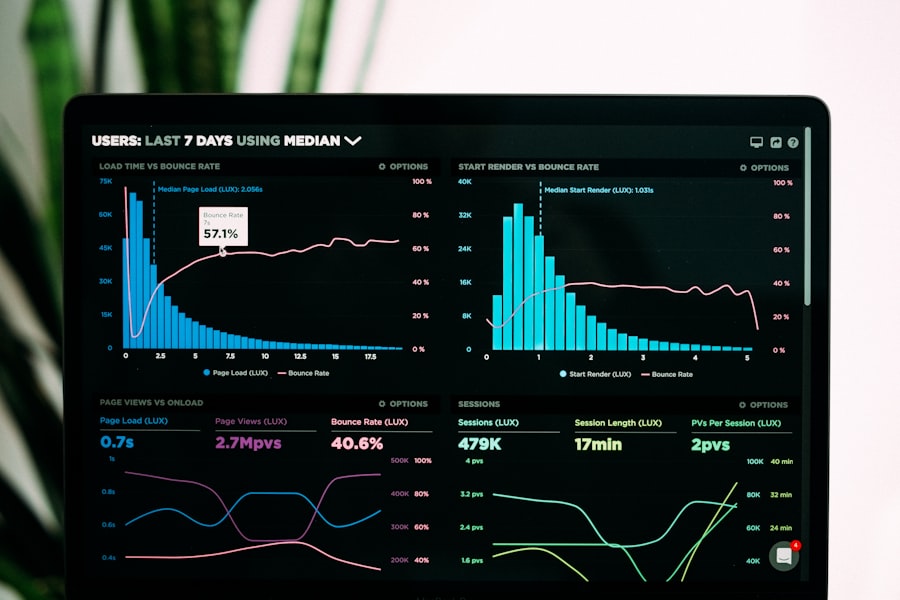
Tracking agent-initiated traffic separately from human traffic is now essential for understanding true ROI
Common Mistakes That Kill Agent Discoverability
Avoid these errors that make your store invisible to AI shopping agents:
| ❌ Mistake | ✅ Fix |
|---|---|
| Unstructured product descriptions | Use clear, natural language that AI can parse |
| Missing schema markup | Add structured data for products, pricing, and shipping |
| Opaque pricing | Be transparent about all costs — agents cannot calculate hidden fees |
| Inconsistent inventory signals | Sync inventory data in real-time across all channels |
| No protocol integration | Connect to ACP or UCP to access major AI channels |
What Competitors Aren't Telling You: Agent Reputation Is Coming
Just as Google ranks websites, AI platforms will soon rank merchants based on reliability signals. Factors likely to influence your agent reputation:
Building this reputation starts now, before scoring systems formalize.
The Bottom Line
Agentic commerce is not a future trend. It is happening today.
AI shopping agents are already researching, comparing, and purchasing products on behalf of consumers. The global agentic commerce market could reach $3 trillion to $5 trillion by 2030. Major retailers like Walmart, Kate Spade, and Shopify are already building for this future.
The brands that win in 2026 and beyond will not just be optimizing for human shoppers — they will be building stores that AI agents trust, prefer, and recommend.
Start now. Your future customers are already asking AI agents for recommendations. Make sure they find you.
Ready to Optimize Your Brand for AI Shopping Agents?
Get a free agentic commerce readiness audit from GrowDigi. We'll show you exactly where your store stands — and what to fix first.
👉 Get Your Free Readiness Audit →