The 3-Second Rule: Why Attention Is the Only Metric That Matters in 2026
You have three seconds to earn the pause. Here is how the science of attention explains why reach is dead — and what actually drives revenue now.
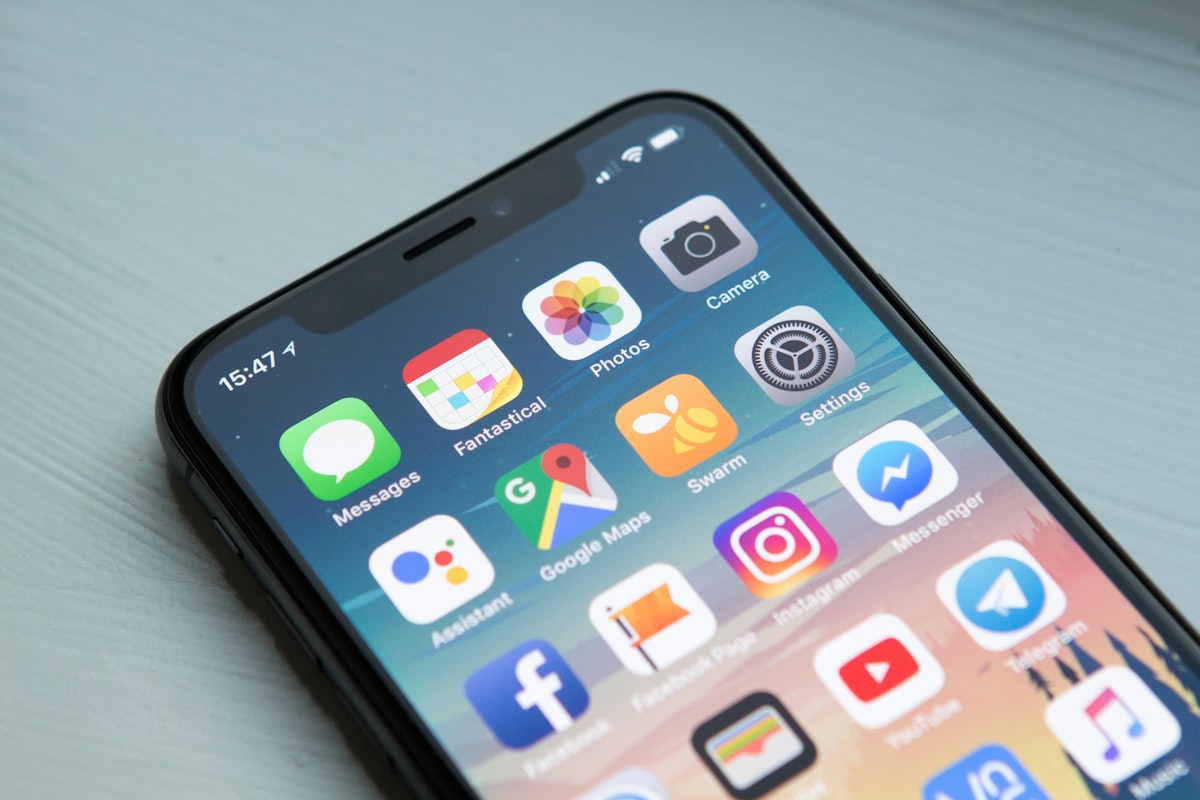
Three seconds. That is the window between a pause and a scroll. Everything in your content strategy flows from this single constraint.
You have three seconds.
That is the average time spent looking at a piece of content in a social feed before deciding to scroll past it. Three seconds to earn the pause. Three seconds to prove you are worth their time.
Here is the hard truth: the average human attention span has dropped from 12 seconds in 2000 to 7.6 seconds in 2026 — a 36.7% erosion. Researchers project it could fall below 7 seconds by 2029 if current trends continue.
This is not a content problem. It is an attention problem. And most brands are still optimising for the wrong thing.
The Attention Economy: Why Old Metrics Fail
For years, digital marketing was measured by impressions, reach, and clicks. These metrics told us our content was delivered. They never told us it was seen.
The gap between delivery and attention is enormous. Standard banner ads generate click-through rates of 0.05%. That means 99.95% of people who are served the ad take no measurable action. But the problem is worse than the click rate suggests. Many of those people never actually saw the ad in any meaningful sense — it loaded below the fold, or in a sidebar they never glanced at, or on a page they left before the ad rendered.
"Impressions are dead." — ET Brand World Summit 2026
Consumers scroll past hundreds of ads without remembering the brand, the offer, or even the category. The industry is shifting from reach and frequency toward what one panelist called "attention engineering" — relevant creative plus engineered attention drives business impact.

The shift from reach to attention: marketers are now tracking dwell time, scroll velocity, and completion rates — not impressions.
What the 3-Second Rule Actually Means
The 3-second rule is not about making your entire message fit in three seconds. It is about earning the pause.
In a social feed, the brain is constantly pattern-matching. It scans for relevance, novelty, and emotional resonance. If your first line, first frame, or first visual does not interrupt that pattern, the scroll continues.
"People don't consume content. They scan it. The first line is not an introduction. It is a pattern interrupt."
The Science Behind the 3 Seconds
Advertising research distinguishes between two stages of attention:
- Gaining attention — the initial capture of visual focus, driven by bottom-up processes like colour, contrast, and motion
- Holding attention — sustained engagement, driven by top-down processes like interest, familiarity, and relevance
Effective ads must pass both stages. The 3-second rule governs the first stage. If you fail there, the second stage never happens. EEG-based neuromarketing research now measures this in real time — tracking alpha suppression (attention) and frontal theta enhancement (memory encoding) on a second-by-second basis during video content.
Why Attention Predicts Revenue Better Than Reach
Attention is a gatekeeper to all other mental processes necessary for advertising success. Its absence is the main cause of a lack of ad effectiveness. Attention enables message conveyance, supports brand learning, and is a central prerequisite for purchases.
The research on emotionally charged content makes this concrete:
| Metric | High Emotion Content | Low Emotion Content |
|---|---|---|
| Recall Rate | 65% | 23% |
| Share Rate | 28% | 3% |
| Time Spent | 45 seconds | 12 seconds |
Emotionally charged content gets processed more deeply, remembered more clearly, and shared more frequently. The specific emotion matters less than the intensity. Anger, joy, surprise, fear — they all work if they are strong enough. The emotion that kills attention is indifference.
Netflix tracks not just what people watch, but how they watch it — do they pause, rewind, or skip? This data drives their $15 billion content investment strategy because they understand that attention, not just views, predicts long-term subscriber value.
How to Win the First 3 Seconds: 5 Hook Strategies
The brain pattern-matches content in fractions of a second. Here are the hook patterns that consistently earn the pause in 2026:
The Specific Outcome Hook
Promise a specific, actionable outcome. The brain matches "how to" with "something I can use" — and that earns the pause. On YouTube Shorts, how-to hooks dominate top-performing content because the platform skews toward intentional, search-adjacent viewing behaviour.
The Social Proof Hook
Lead with a result. "I went from 200 to 40,000 followers in six months. Here's what actually changed." The outcome creates curiosity about the process. Social proof hooks perform consistently on Instagram Reels and TikTok because both platforms have strong creator-aspiration cultures. The result needs to be specific and credible — round numbers feel made up.
The Curiosity Gap Hook
"Most people believe X. That's why they're stuck." This triggers curiosity plus contrast.
Other variations: "Nobody talks about this part of [topic]." / "This one mistake is killing your [result]." / "Here's what actually worked (not theory)."
The Vulnerability Hook
"I wasted X months doing this the wrong way." Vulnerability creates instant relatability.
As one creator noted: "People are so tired of theory and polished advice that showing the actual messy learning curve feels like the only way to cut through anymore." This connects directly to our guide on How to Sound Human when AI generates everything.
The Pattern Interrupt
"Before you scroll — read this if you care about [outcome]." This is a direct pattern interrupt plus a relevance signal.
The key insight: "Every post that ever performed for me had one thing in common: the first line that made scrolling feel like a mistake."
Platform-Specific Hook Execution

On-camera presence in the first 10 seconds drives 47% higher completion rates across Reels, TikTok, and YouTube Shorts.
| Platform | What Works | Why |
|---|---|---|
| Instagram Reels | Visual pattern interruption, on-screen text in first second | Significant portion watched on mute; captions matter more |
| TikTok | Native energy, raw conversational delivery | Algorithm tests hooks against cold audiences immediately |
| YouTube Shorts | Clear, specific answer or outcome | Viewers arrive with intentionality; completion rate matters |
| Tension-first hooks, not explanations | 2 seconds to earn attention; weak openings kill the post |
A 2024 Wistia study found that videos with a presenter on screen in the first 10 seconds have a 47% higher completion rate than videos that lead with text or graphics alone. What differentiates high-performing accounts is not production quality — it is presence.
The Attention Measurement Problem
Here is where most marketers go wrong: they measure attention proxies instead of attention itself. Impressions measure opportunity, not attention. Views measure technical delivery, not human engagement.
Real attention metrics:
⏱ Dwell Time
How long did eyes actually focus on your content?
📉 Scroll Velocity
Did people slow down when they reached your content?
✅ Completion Rates
What percentage watched or read to the end?
⚡ Immediate Actions
Comments, shares, clicks within 5 seconds of consuming
🧠 Brand Recall
Unprompted memory of your message 24 hours later
📊 Dwell-to-Scroll Ratio
Time paused vs time spent scrolling through your content
The IAB and Media Rating Council have developed standardised guidelines for attention measurement across media and platforms, defining core principles for data signal-based measurement, visual tracking, and panel-based methods. But the playbook emphasises that attention is not a standalone measure of ad effectiveness — it is a complementary signal that, when combined with delivery and outcome metrics, helps marketers understand how media and creative influence business results.
Attention vs. Participation: The New Moat

The brands winning in 2026 are not the ones with the biggest audience — they are the ones whose audience feels like part of the work.
AI can now generate unlimited content. Unlimited videos, unlimited posts, unlimited "creators" who don't even exist. Which means the thing everyone fought for — views, reach, eyeballs — just became the cheapest commodity on the internet.
So what is actually valuable now? Trust. And trust cannot be faked by AI. Not yet.
The creators and brands winning right now are not the ones with the biggest audience. They are the ones whose audience feels like part of the work. Comments that shape the next video. Communities that vouch for each other. People who don't just watch — they show up, contribute, defend.
"The real question is not 'how many people saw this?' It is: how many people would notice if I stopped?"That is not an audience anymore. That is participation. Attention got you found. Participation is what keeps you relevant.
Conclusion
Stop Buying Impressions. Start Earning Attention.
The 3-second rule is not a gimmick. It is a reflection of how human attention works in an economy designed to fragment it.
Your audience's attention span is not shrinking because they are lazy. It is shrinking because they are overwhelmed. The average time people stay focused on a single task has dropped from 2.5 minutes to roughly 40 seconds over the past two decades. That erosion is linked to higher stress, more errors, and reduced productivity.
In this environment, earning attention is a competitive advantage. And it starts with the first three seconds. This principle runs through everything — from Zero-Click Search 2026 to how you avoid Ghost Citations in AI-generated answers.
Stop buying impressions. Start earning attention.
Ready to Build a Content Strategy That Wins the First 3 Seconds?
Get a free content audit from GrowDigi — we'll assess your hooks, platform execution, and attention signals.
Get Your Free Content Audit